Blog · Phosphorus & organic manure
PROM Fertilizer: Benefits, Dose, Uses & How Phosphate Rich Organic Manure Works
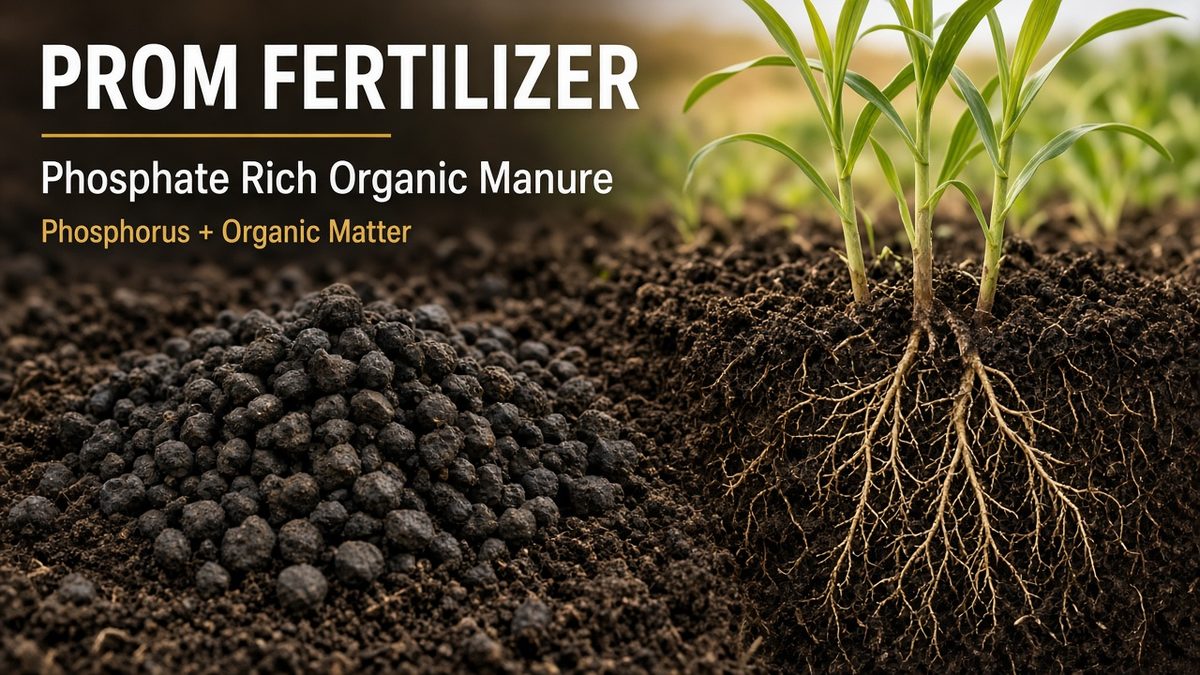
Phosphorus is one of the key nutrients required by crops for strong root development, energy transfer, flowering and reproductive growth. But phosphorus nutrition is not only about supplying a nutrient — the way nutrients interact with soil organic matter, moisture and the root zone also matters.
PROM fertilizer, or Phosphate Rich Organic Manure, is an organic manure designed to provide phosphorus along with organic matter. It is used primarily as a basal soil application and can be incorporated into an integrated crop nutrition programme.
For farmers, dealers and agriculture professionals looking at organic phosphorus sources, PROM can be an important part of a balanced soil and crop nutrition strategy.
This guide explains what PROM fertilizer is, how it works, its benefits, application dose, suitable crops, and how it compares with conventional phosphorus fertilizers such as DAP and SSP.
PROM fertilizer in one minute: PROM stands for Phosphate Rich Organic Manure. It is used primarily as a basal phosphorus-containing organic manure. AR Soil’s PROM is listed with 8.0–10.4% minimum P₂O₅ and 7.9–10% minimum organic carbon, with a listed application guidance of 50–60 kg/acre.
What is PROM fertilizer?
PROM stands for Phosphate Rich Organic Manure.
It is a phosphate-containing organic manure produced using organic material and a phosphorus source such as rock phosphate. The objective is to provide phosphorus while also adding organic matter to the soil.
Unlike a fertilizer programme focused on only one nutrient, PROM combines phosphorus nutrition with an organic component.
The Department of Fertilizers describes PROM as a phosphate-rich organic manure and notes its role in improving soil properties while supplying phosphorus.
In practical farming, PROM is generally considered for basal application, particularly where farmers want to include an organic phosphorus source in their soil fertility programme.
In simple words: PROM = Phosphorus + Organic Matter + Soil-focused nutrition
PROM should not be viewed as a universal replacement for every fertilizer. Instead, it can be incorporated into a crop-specific nutrient management programme based on soil condition, crop requirement and available fertilizer sources.
Why is phosphorus important for crops?
Phosphorus supports several critical crop functions:
- Early root development
- Energy transfer within plants
- Crop establishment
- Flowering and reproductive development
- Seed and grain formation
- Overall crop development
Simply applying more phosphorus is not necessarily better. Nutrient management should consider soil test results, crop requirement, existing nutrient levels and application method.
That is why PROM should be considered as part of an overall nutrient-management programme rather than as a standalone solution. Pairing phosphate support with balanced nutrition — for example an organic NPK fertilizer where N and K are also needed — is usually more practical than relying on one product alone.
Benefits of PROM fertilizer
1. Provides an organic source of phosphorus
PROM is designed to supply phosphorus in an organic-manure format. For farmers seeking phosphate support beyond chemical sources alone, it offers a soil-focused phosphorus option within the fertilizer programme.
2. Adds organic matter to the soil
Alongside phosphorus, PROM contributes an organic component. Organic matter plays a role in soil structure, moisture behaviour and the way nutrients interact in the root zone.
3. Supports root development
Because phosphorus is important for early rooting and establishment, basal placement of a phosphate-rich organic manure can support the crop during the early growth window — when root systems are being built.
4. Useful as a basal application
PROM is generally positioned for basal use — before sowing, during field preparation, at planting or transplanting — so phosphorus-containing organic manure is available during early crop development.
5. Can fit into integrated nutrient management
PROM can sit alongside other inputs such as NPK, potash sources, soil conditioners and micronutrients. The aim is a crop-specific programme, not a single-bag approach.
6. Suitable for different farming systems
Field crops, vegetables, pulses, oilseeds and orchards may all consider PROM where basal phosphorus and organic matter fit the soil and crop plan. Final selection still depends on product specification and local advice.
PROM fertilizer dose per acre
There is no single universal PROM dose that is correct for every crop and every soil.
Application rate can depend on:
- Crop
- Soil phosphorus status
- Soil organic matter
- Existing fertilizer programme
- Crop yield target
- Product specification
- Local agronomic recommendations
For the AR Soil PROM Organic Manure product, the listed practical application guidance is 50–60 kg per acre as a basal application.
| Application | AR Soil guidance |
|---|---|
| PROM fertilizer | 50–60 kg/acre |
| Application timing | Basal |
| Form | Granules |
| P₂O₅ | 8.0–10.4% minimum |
| Organic carbon | 7.9–10% minimum |
These figures are AR Soil product specifications and guidance, not universal PROM specifications for every brand. Always check the product label and consider soil testing and crop-specific agronomic recommendations before finalizing the application rate.
When should PROM fertilizer be applied?
PROM is primarily a basal input. Possible timings include:
- Before sowing
- During field preparation
- At planting
- At transplanting
- Near the root zone during establishment
The objective is to make phosphorus-containing organic manure available during early crop development, when roots and establishment matter most. Later-stage nutrition may still require additional nutrient sources such as nitrogen splits, potassium support or micronutrients.
How to apply PROM fertilizer
- Understand the soil — Use soil testing where possible to know phosphorus status and organic matter levels.
- Consider crop requirement — Match the programme to the crop’s basal and season-long nutrient needs.
- Apply PROM as a basal input — For AR Soil PROM, listed guidance is 50–60 kg/acre as basal application (product-specific, not universal).
- Build the rest of the nutrition programme — Add NPK, potash, soil conditioners or micronutrients as the crop and soil require.
On sandy or low-organic soils, some programmes also use a soil conditioner such as roasted bentonite to support water and nutrient holding in the root zone.
PROM vs DAP: Are they the same?
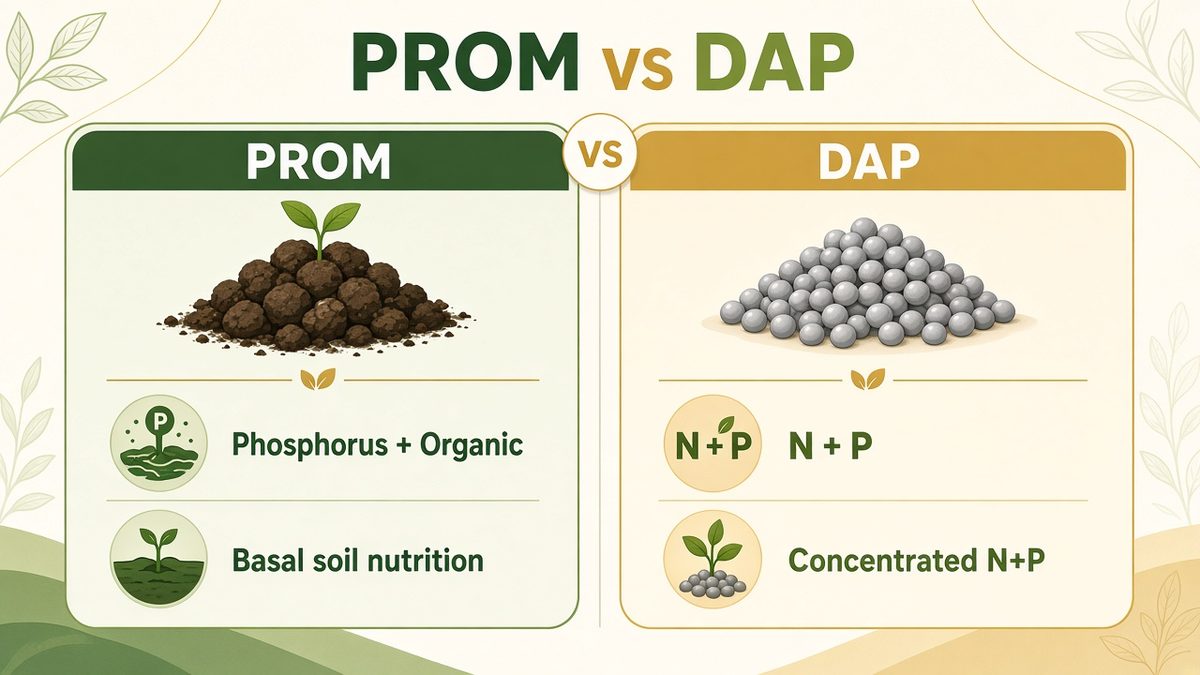
No. PROM and DAP are different fertilizer products.
| Feature | PROM | DAP |
|---|---|---|
| Product type | Phosphate-rich organic manure | Chemical fertilizer |
| Main nutrient focus | Phosphorus + organic component | Nitrogen + phosphorus |
| Organic component | Yes | No |
| Typical role | Organic phosphorus / basal soil nutrition | Concentrated N + P nutrition |
| Application | Generally basal | Usually basal / according to crop programme |
The useful question is not simply “Is PROM better than DAP?” The useful question is which phosphorus and nitrogen sources fit the crop, soil condition and nutrient requirement.
PROM vs SSP: What is the difference?
SSP is Single Super Phosphate — a conventional mineral phosphorus fertilizer.
- PROM — phosphate-rich organic manure with an organic component
- SSP — conventional mineral fertilizer focused on phosphorus
Selection depends on crop requirement, soil condition, fertilizer programme and the actual product specification. Neither product is universally superior in every situation.
Which crops can use PROM fertilizer?
PROM can be considered as part of a crop-specific nutrient programme across many Indian farming systems. Crop-specific doses below are not listed unless verified manufacturer or agronomic data is available — use AR Soil’s basal guidance and local advice as the starting point.
PROM for cotton
Cotton programmes often need early establishment support and balanced season-long nutrition. PROM may be considered at basal/field-preparation stages for phosphorus with an organic component, alongside NPK and other inputs as required. See also our NPK guidance for cotton and chilli.
PROM for groundnut
Groundnut and other oilseeds benefit from good early rooting and phosphorus availability. PROM can form part of a basal soil programme where organic phosphorus is preferred, with remaining nutrients filled through the wider fertilizer plan.
PROM for chilli
Chilli establishment and early growth respond to sound basal nutrition. PROM may support phosphate and organic matter needs during field preparation or transplanting, while flowering and fruiting stages still need a complete nutrient programme.
PROM for vegetables
Vegetables often need steady early root development and transplant establishment. PROM can be included as a basal organic phosphorus source within vegetable nutrition plans that also address nitrogen, potassium and micronutrients.
PROM for pulses
Pulses still require adequate phosphorus for rooting, nodulation support and early growth. PROM may be considered in basal programmes where soil phosphorus and organic matter need attention.
PROM for fruit crops and orchards
Orchard and fruit crop nutrition is long-term and soil-focused. PROM can contribute basal phosphate and organic matter as part of a broader orchard programme, not as a complete substitute for all nutrient sources.
Can PROM completely replace DAP or SSP?
There is no universal yes or no answer.
PROM, DAP and SSP have different nutrient profiles. If a crop still requires nitrogen, potassium or a particular amount or form of phosphorus, those requirements still need to be addressed through the overall programme.
PROM may reduce dependence on a particular conventional phosphorus source in some programmes, but it should not automatically be described as a one-for-one replacement for DAP or SSP.
Is PROM suitable for organic farming?
Suitability for certified organic farming depends on the specific product, certification status, permitted inputs and applicable organic farming standards.
“Organic manure” in the product name does not automatically mean a certified organic-farming input. Certified organic farmers should verify certification and permitted-input status before use.
PROM and soil health
Crop productivity depends on more than NPK numbers. Soil structure, organic matter, moisture management, nutrient availability and biological activity all influence how fertilizers perform in the field.
Organic inputs can have a role alongside conventional fertilizers in building a more resilient soil–crop system. PROM alone does not “fix” soil health — it can contribute phosphorus and organic matter within a wider soil management approach. For more on soil-first practice, see our guide on organic fertilizer granules and soil health.
How to choose a good PROM fertilizer
1. Nutrient specification
Check listed P₂O₅ and organic carbon on the label. For AR Soil PROM, listed values are 8.0–10.4% minimum P₂O₅ and 7.9–10% minimum organic carbon.
2. Product consistency
Look for consistent granule quality and clear packaging information so application in the field remains predictable.
3. Application recommendation
Prefer products that publish practical dose and timing guidance, then adjust with soil tests and local agronomy.
4. Manufacturer information
Know who manufactures the product and how to reach them for dealer or bulk supply questions. An established organic fertilizer manufacturer should publish clear product and contact details.
5. Soil and crop suitability
Match the product to soil phosphorus status, crop type and the rest of your agriculture fertilizer programme — not only to a brand name.
AR Soil PROM Organic Manure
AR Soil & Crop Science manufactures and supplies PROM Organic Manure from Bhavnagar, Gujarat, for farmers, dealers and bulk buyers across India.
AR Soil’s PROM product is listed as a phosphate-rich organic manure with:
- P₂O₅: 8.0–10.4% minimum
- Organic carbon: 7.9–10% minimum
- Nitrogen: 0.4% minimum
- Granular form
- Recommended AR Soil application: 50–60 kg/acre as basal application
Need PROM fertilizer for your farm, dealership or bulk requirement?
View PROM Product Contact AR Soil & Crop Science
Frequently Asked Questions About PROM Fertilizer
PROM stands for Phosphate Rich Organic Manure. It is a phosphate-containing organic manure designed to supply phosphorus along with organic matter.
PROM is used primarily as a basal soil application to provide phosphorus with an organic component. It is considered where farmers want an organic phosphorus source in an integrated crop nutrition programme.
There is no single universal dose for every crop and soil. For AR Soil PROM Organic Manure, the listed practical guidance is 50–60 kg per acre as a basal application. Always check the product label and local agronomic advice.
PROM can be useful where crops need basal phosphorus support along with organic matter. Suitability depends on soil phosphorus status, crop requirement and the wider fertilizer programme.
PROM and DAP are different products. PROM is a phosphate-rich organic manure; DAP is a concentrated chemical fertilizer supplying nitrogen and phosphorus. The useful question is which sources fit the crop, soil and nutrient requirement — not which product is universally “better”.
Yes. PROM can be considered as part of a cotton nutrient programme at basal/field-preparation stages, alongside other nitrogen, potassium and micronutrient sources as required.
Yes. Vegetable crops that need early root establishment and phosphorus support can include PROM in a basal programme. Final dose and companions should follow crop and soil guidance.
PROM is often used within a broader programme with products such as organic NPK, soil conditioners or micronutrients. Follow label guidance and avoid stacking every input on the same day without agronomic advice.
No. PROM focuses on phosphorus with an organic component. It does not replace a balanced NPK programme when nitrogen and potassium are also required.
AR Soil & Crop Science manufactures and supplies PROM Organic Manure from Bhavnagar, Gujarat for farmers, dealers and bulk buyers across India. Contact AR Soil for product details and supply.
Final takeaway
PROM fertilizer is more than simply another phosphorus product. Phosphate Rich Organic Manure can be useful where farmers want to combine phosphorus nutrition with an organic component as part of a soil-focused fertilizer programme.
The right approach is not to ask which fertilizer should replace every other fertilizer. Instead:
Soil test → crop requirement → nutrient requirement → suitable fertilizer sources → correct dose → correct timing.
AR Soil & Crop Science manufactures and supplies PROM and related organic fertilizers for farmers, dealers and bulk buyers from Bhavnagar, Gujarat. Call +91 95746 51054 or request details online.
Related products
PROM Organic Manure
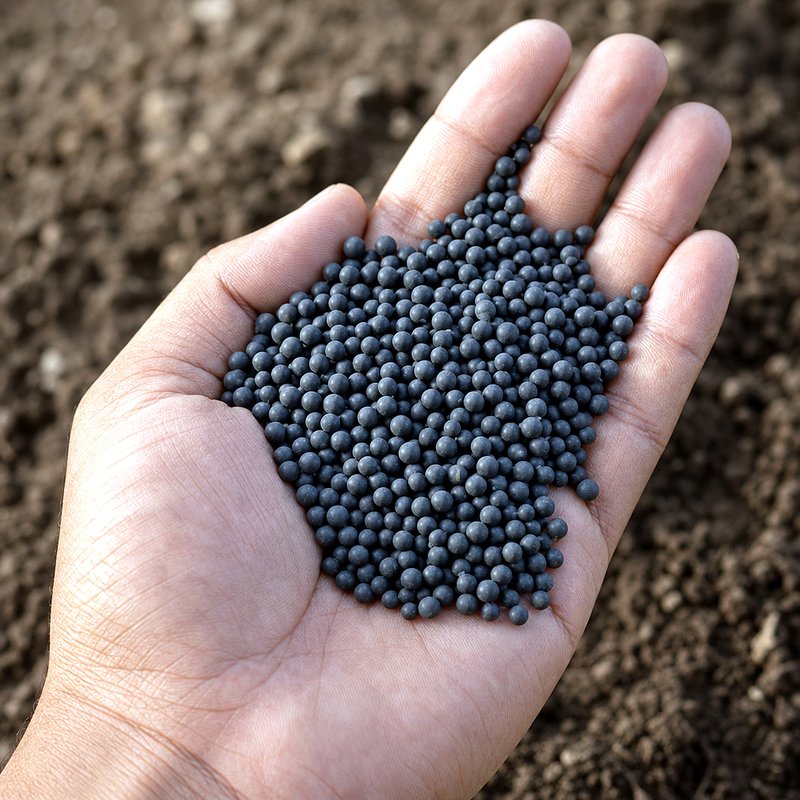
Phosphate-rich organic manure (P2O5 8-10.4%, organic carbon 7.9-10%). Organic alternative to DAP/SSP for roots, flowering energy and soil carbon. Dose: 50-60 kg per acre basal.
View details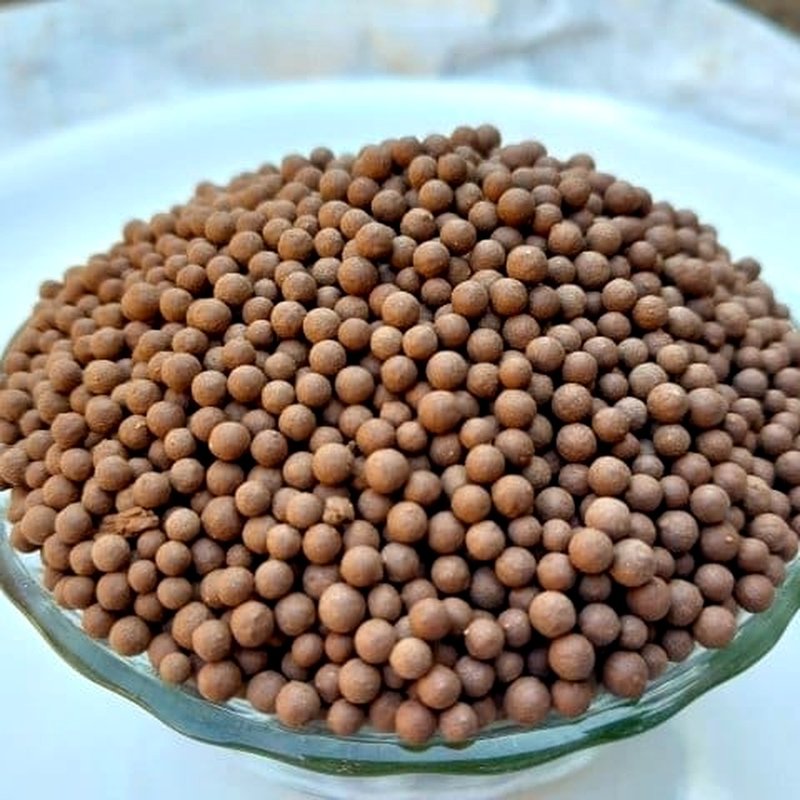
NPK Organic Fertilizer
Balanced organic NPK granules for steady vegetative growth, flowering, and fruiting. Suitable for field crops, vegetables, fruits, and horticultural plants.
View details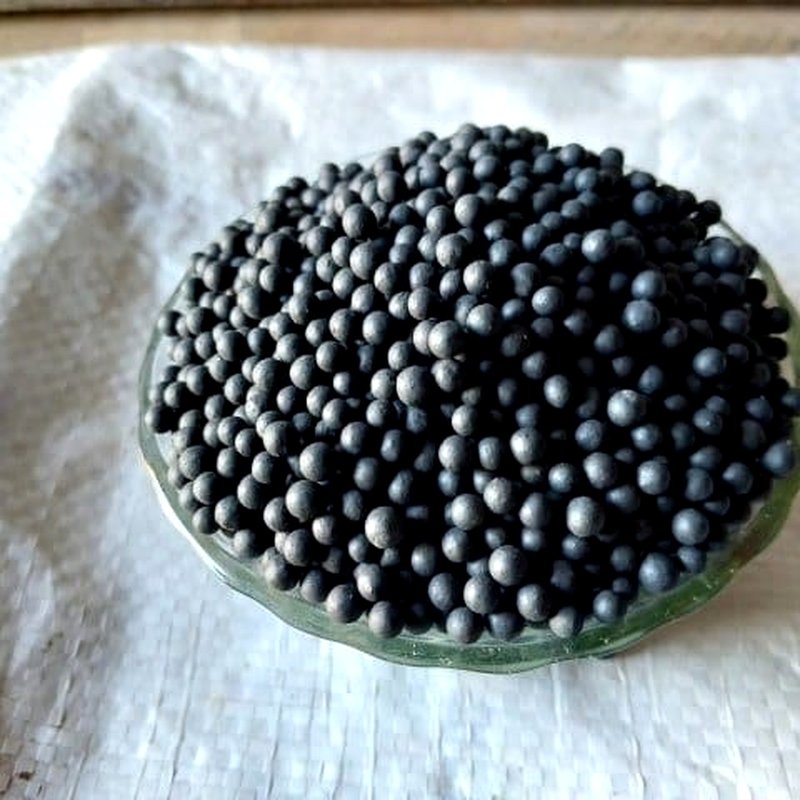
Roasted Bentonite Fertilizer
Premium roasted bentonite soil conditioner that improves water retention, cation exchange capacity, and nutrient holding in sandy and low-organic soils. Enhances root development and crop resilience.
View details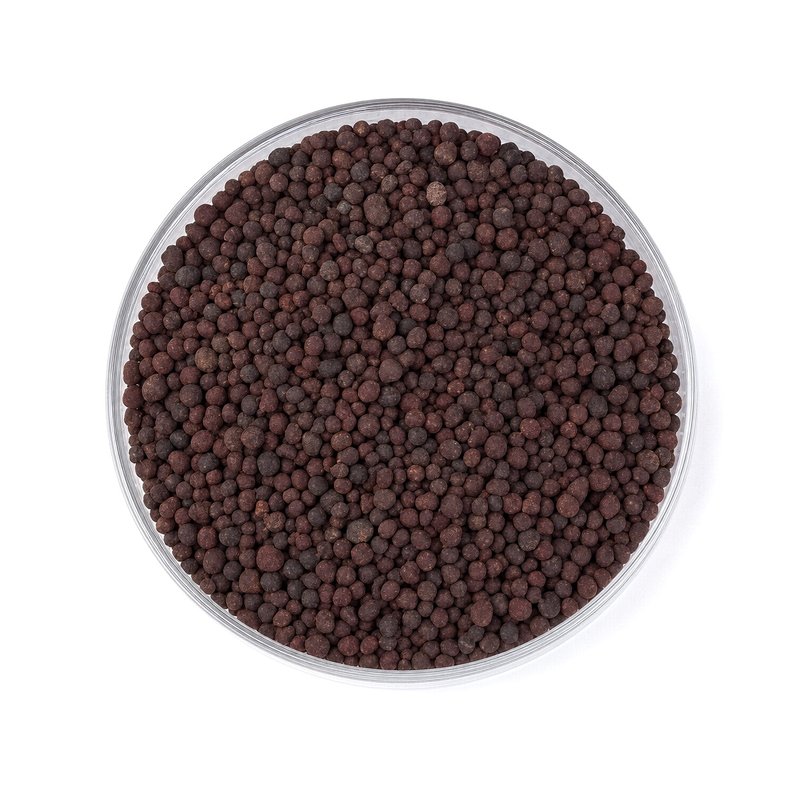
PDM Bio Potash Granules
Organic bio-potash granules from molasses source with water soluble K2O 14.5% min. Improves fruit size, colour, grain fill and shelf life. Dose: 40-75 kg per acre.
View detailsRelated articles
- NPK fertilizer vs urea
- Roasted bentonite vs over-reliance on DAP and urea
- NPK organic fertilizer guide
- Best NPK fertilizer for Indian farmers
References
- Department of Fertilizers, Government of India — information on phosphate-rich organic manure (PROM) as a fertilizer category.
- AR Soil & Crop Science product specifications for PROM Organic Manure (P₂O₅, organic carbon, dose guidance).