Blog · Phosphorus sources
PROM Fertilizer vs DAP: Differences, Nutrients, Uses and Application
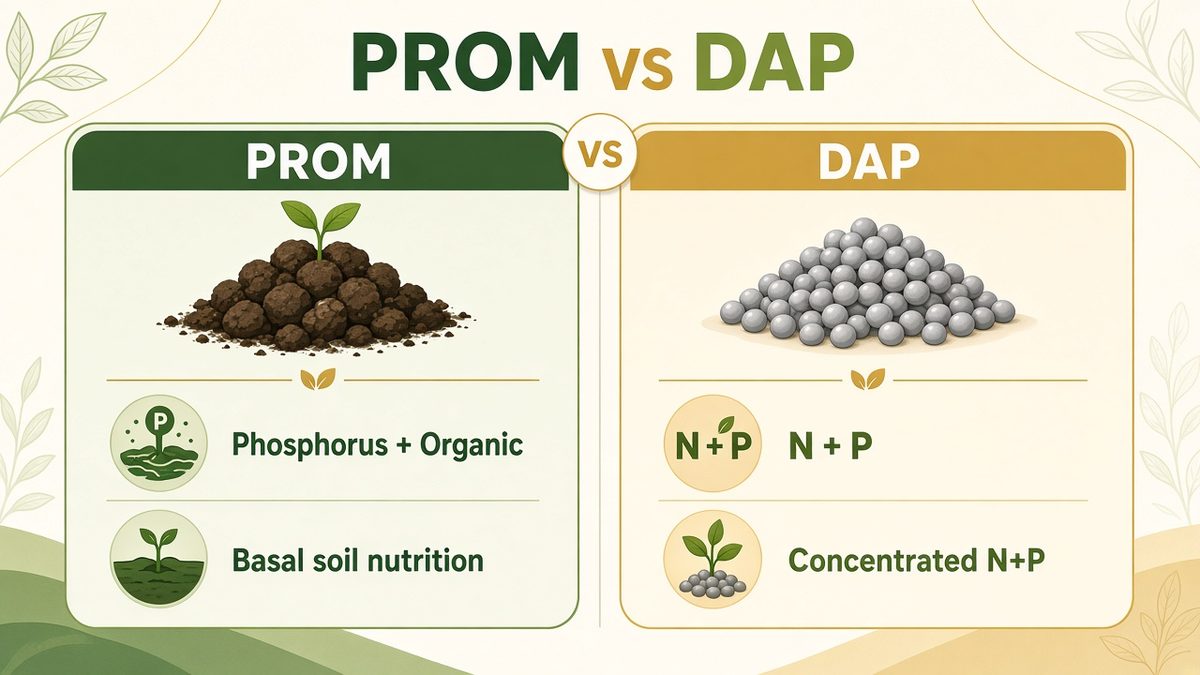
Farmers and dealers often ask a direct question: PROM fertilizer vs DAP — which one should I use? The short answer is that they are not the same product, and the useful decision is not “which is always better,” but which phosphorus (and nitrogen) sources fit the soil, crop and season programme.
PROM means Phosphate Rich Organic Manure. DAP means Diammonium Phosphate — a concentrated chemical fertilizer. One combines phosphorus with an organic component; the other supplies high analysis nitrogen and phosphorus without organic manure.
This article compares product type, nutrients, organic matter, typical use, application thinking and buyer checks — using verified AR Soil PROM specifications where we quote our own product. For a full PROM primer (benefits, dose and crops), see our main guide: PROM fertilizer benefits, dose and uses.
PROM vs DAP in one minute: PROM = phosphate-rich organic manure (P + organic matter). DAP = concentrated chemical N + P fertilizer. They can appear in the same farm plan for different reasons — they are not identical inputs.
What is PROM fertilizer?
PROM stands for Phosphate Rich Organic Manure. It is a phosphate-containing organic manure intended to supply phosphorus while also contributing organic matter to the soil. In practice it is usually considered as a basal soil input during field preparation, sowing or transplanting.
For AR Soil PROM Organic Manure, published product guidance includes:
- P₂O₅: 8.0–10.4% minimum
- Organic carbon: 7.9–10% minimum
- Nitrogen: 0.4% minimum
- Form: granules
- Listed application guidance: 50–60 kg/acre as basal
Those figures are AR Soil product specifications, not universal PROM values for every brand. Always read the bag label.
What is DAP fertilizer?
DAP (Diammonium Phosphate) is a widely used chemical fertilizer. In Indian farm conversation it is typically treated as a concentrated source of nitrogen and phosphorus. Exact analysis must be taken from the product label; a commonly discussed commercial profile is around 18% N and 46% P₂O₅.
DAP does not supply an organic manure component. Its role is high-analysis mineral nutrition within basal or programme-specific placements decided by agronomy and local practice.
In simple words: PROM focuses on phosphorus + organic matter. DAP focuses on concentrated nitrogen + phosphorus. Different tools — sometimes used in related programmes, not interchangeable by default.
PROM under Indian fertilizer regulation (research context)
Phosphate Rich Organic Manure is recognised as an organic fertilizer category under India’s Fertilizer (Control) Order (FCO) framework. Public FCO-aligned specification sheets for PROM commonly list category minimums such as:
| Parameter (FCO category context) | Commonly published minimum / limit |
|---|---|
| Total phosphates (as P₂O₅) | Minimum 8.0% |
| Total organic carbon | Minimum 8.0% |
| Total nitrogen (as N) | Minimum 0.4% |
| C:N ratio | Less than 20:1 |
| Moisture | Maximum 25.0% |
| Particle size | Min. 90% through 4.0 mm IS sieve (as specified) |
These are category reference points from FCO-aligned public specifications — not a substitute for reading AR Soil’s bag label. AR Soil’s published PROM range (P₂O₅ 8.0–10.4% min; organic carbon 7.9–10% min; N 0.4% min) sits in the same phosphate-rich organic manure product family.
Manufacturing literature often describes PROM as integrating finely ground rock phosphate with organic materials during composting so phosphorus is delivered with organic matter — a different pathway from high-analysis DAP granules.
Why phosphorus behaviour in soil matters for this comparison
Phosphorus does not always stay fully available after application. In many Indian soils, P can be fixed by calcium, iron or aluminium compounds depending on pH and mineralogy. That is one reason agronomists emphasise:
- Soil testing before changing phosphate sources
- Correct placement and timing (often basal for P)
- Organic matter and root-zone conditions that influence nutrient use
- Not judging products only by the highest P₂O₅ percentage on a bag
PROM is valued when the farm wants phosphate support plus organic carbon. DAP is valued when the programme needs concentrated mineral N+P. Those are complementary planning questions, not a popularity contest.
PROM vs DAP comparison table
| Feature | PROM | DAP |
|---|---|---|
| Full form | Phosphate Rich Organic Manure | Diammonium Phosphate |
| Product type | Organic manure with phosphate | Chemical / mineral fertilizer |
| Main nutrient focus | Phosphorus + organic component | Nitrogen + phosphorus (high analysis) |
| Organic matter | Yes (organic manure component) | No |
| AR Soil example specs | P₂O₅ 8.0–10.4% min; organic carbon 7.9–10% min; N 0.4% min | Confirm bag label (often discussed ~18-46) |
| Typical role | Basal organic phosphorus support | Concentrated basal / programme N+P |
| Listed AR Soil dose example | 50–60 kg/acre basal (product guidance) | Crop- and soil-specific; follow label / agronomy |
Nutrient differences that matter in the field
1. Phosphorus concentration
DAP is a high-analysis phosphorus source by design. PROM supplies meaningful phosphate in an organic-manure format at a lower P₂O₅ percentage than typical DAP analysis — and adds organic carbon.
2. Nitrogen
DAP contributes substantial nitrogen along with phosphorus. AR Soil PROM lists only a small nitrogen minimum (0.4%). If your programme needed DAP partly for nitrogen, removing DAP without replacing N elsewhere will leave a gap.
3. Organic carbon and soil context
PROM is chosen when the farm wants phosphorus and an organic manure contribution. DAP does not replace that organic role. On sandy or low-organic soils, some programmes also add a conditioner such as roasted bentonite so nutrients stay longer in the root zone.
Uses: when PROM fits vs when DAP fits
| Situation | Often consider | Why (practical) |
|---|---|---|
| Want basal P with organic matter | PROM | Matches phosphate-rich organic manure intent |
| Need concentrated N + P correction | DAP (as advised) | High analysis mineral nutrition |
| Building integrated nutrient management | Both can appear — different roles | Programme design, not brand loyalty |
| Also need balanced N-P-K | Add organic NPK as required | Neither PROM nor DAP alone is a full NPK programme |
Crop examples (cotton, chilli, vegetables, pulses, oilseeds, orchards) may use PROM in basal plans where organic phosphorus fits. That does not mean DAP is never used on those crops — agronomy and soil tests decide.
Application thinking (not copy-paste doses)
- Soil test — Know phosphorus status and organic matter before changing sources.
- Crop requirement — Early rooting, flowering and yield targets change nutrient demand.
- Choose sources — PROM for organic phosphate manure; DAP only if concentrated N+P is still required.
- Apply on schedule — For AR Soil PROM, listed guidance is 50–60 kg/acre basal. DAP rates belong on the product label and advisor sheet.
- Complete the programme — Add potash, micronutrients or soil conditioners when needed.
Important: Never claim a fixed “PROM replaces X bags of DAP” ratio without soil- and crop-specific advice. Nutrient percentages and release behaviour are not identical.
PROM vs DAP vs SSP (quick context)
SSP (Single Super Phosphate) is another conventional mineral phosphorus fertilizer. Compared with PROM, SSP does not provide the same organic manure component. Selection among PROM, DAP and SSP should follow nutrient need, soil condition and the rest of the fertilizer plan — not a single slogan.
How dealers and bulk buyers should compare
- Read published specs (P₂O₅, organic carbon, N) on PROM labels
- Confirm DAP analysis on the bag you stock
- Ask for basal dose guidance and packing options
- Match products to the crops your market actually grows
- Work with a clear manufacturer contact — see our organic fertilizer manufacturer page
AR Soil PROM — request product details
AR Soil & Crop Science manufactures PROM Organic Manure in Bhavnagar, Gujarat for farmers, dealers and bulk buyers across India.
| AR Soil PROM detail | Listed value |
|---|---|
| P₂O₅ | 8.0–10.4% minimum |
| Organic carbon | 7.9–10% minimum |
| Nitrogen | 0.4% minimum |
| Form | Granules |
| Guidance dose | 50–60 kg/acre basal |
Need PROM for farm, dealership or bulk supply? Ask with crop, quantity and location.
View PROM Product Request PROM details Bulk supply
PROM vs DAP — Frequently Asked Questions
No. PROM is Phosphate Rich Organic Manure. DAP (Diammonium Phosphate) is a concentrated chemical fertilizer supplying nitrogen and phosphorus. They have different nutrient profiles and roles.
Neither product is universally better. PROM supplies phosphorus with an organic component; DAP supplies concentrated N and P. Choice depends on soil status, crop requirement and the full fertilizer programme.
Not automatically. If the crop still needs nitrogen or a specific phosphorus amount/form that DAP was covering, those needs must still be met in the overall programme. PROM may reduce dependence on DAP in some plans, but it is not a one-for-one replacement by default.
AR Soil PROM Organic Manure is listed with P₂O₅ 8.0–10.4% minimum, organic carbon 7.9–10% minimum and nitrogen 0.4% minimum, in granular form.
Commercial DAP is commonly discussed around 18% nitrogen and 46% P₂O₅. Always confirm the bag label for the product you buy — grades can vary by brand and market.
Both are often used as basal inputs. PROM is typically positioned for basal soil application with an organic component. DAP timing follows crop programmes and label advice. Local agronomy should decide final timing.
Yes. PROM includes an organic manure component. DAP is a mineral/chemical fertilizer and does not add organic matter in the same way.
AR Soil & Crop Science manufactures and supplies PROM Organic Manure from Bhavnagar, Gujarat for farmers, dealers and bulk buyers. Request product details or a quote online.
Final takeaway
PROM and DAP answer different parts of the nutrition toolbox. PROM brings phosphate with organic matter; DAP brings concentrated nitrogen and phosphorus. The professional approach is:
Soil test → crop need → nutrient gaps → choose sources → correct dose → correct timing.
For the wider PROM story, read PROM benefits, dose and uses. Call +91 95746 51054 or request details online.
Related products
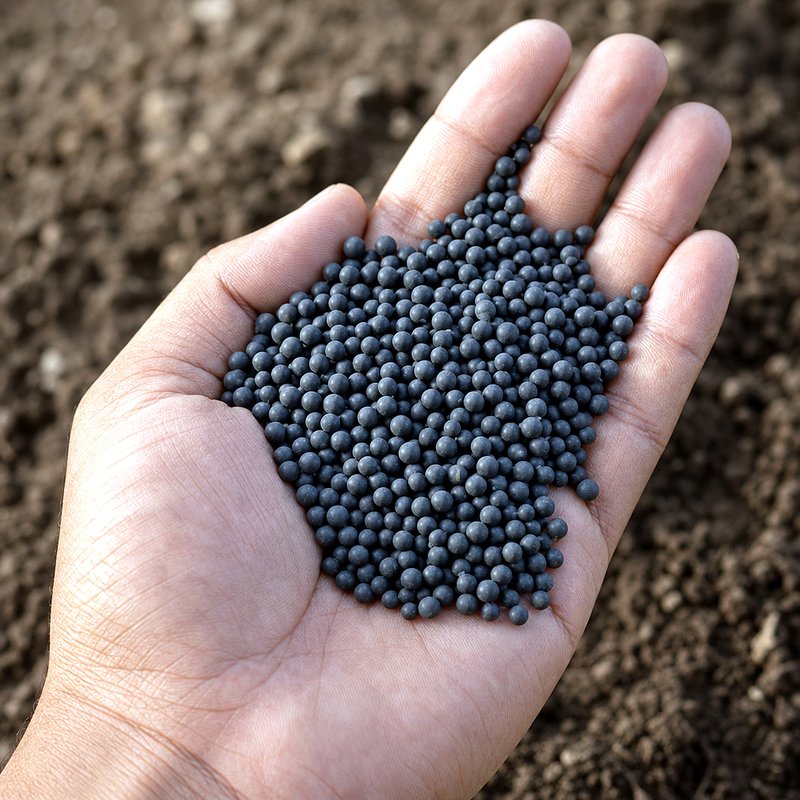
PROM Organic Manure
Phosphate-rich organic manure (P2O5 8-10.4%, organic carbon 7.9-10%). Organic alternative to DAP/SSP for roots, flowering energy and soil carbon. Dose: 50-60 kg per acre basal.
View details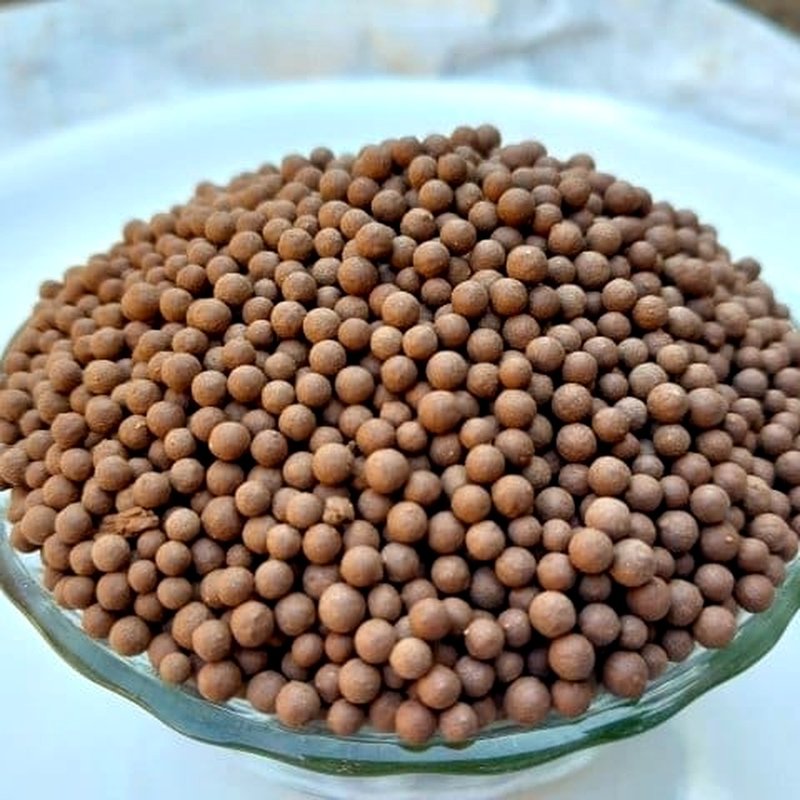
NPK Organic Fertilizer
Balanced organic NPK granules for steady vegetative growth, flowering, and fruiting. Suitable for field crops, vegetables, fruits, and horticultural plants.
View details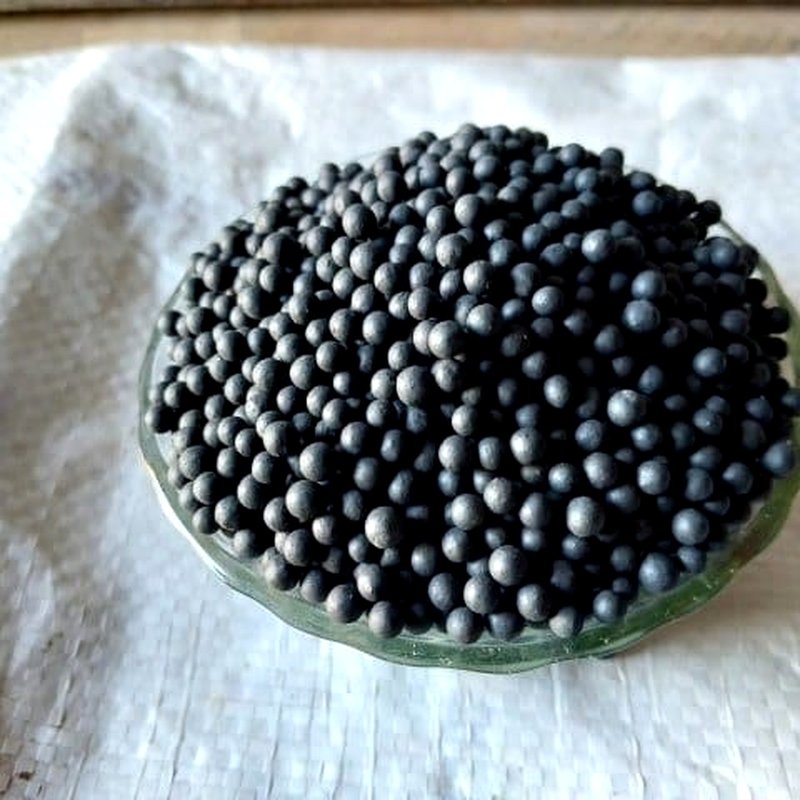
Roasted Bentonite Fertilizer
Premium roasted bentonite soil conditioner that improves water retention, cation exchange capacity, and nutrient holding in sandy and low-organic soils. Enhances root development and crop resilience.
View details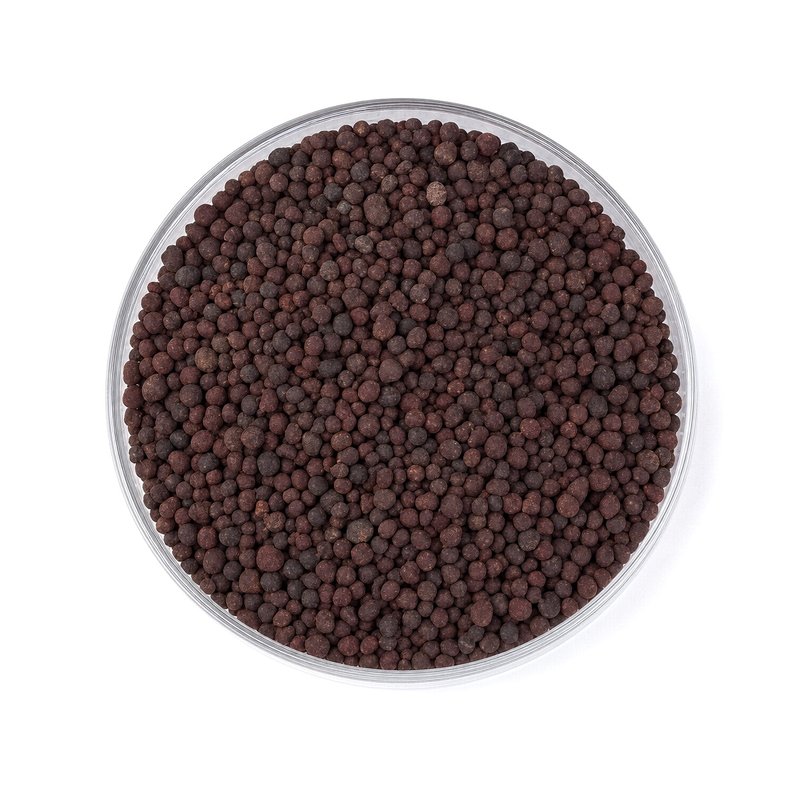
PDM Bio Potash Granules
Organic bio-potash granules from molasses source with water soluble K2O 14.5% min. Improves fruit size, colour, grain fill and shelf life. Dose: 40-75 kg per acre.
View detailsRelated articles
- PROM fertilizer: benefits, dose and uses
- NPK fertilizer vs urea
- Roasted bentonite vs over-reliance on DAP and urea
- NPK organic fertilizer guide
References
- AR Soil & Crop Science product specifications for PROM Organic Manure.
- Fertilizer (Control) Order (FCO) — Phosphate Rich Organic Manure category specifications as published in FCO-aligned schedules / public procurement annexures (P₂O₅, organic carbon, N, C:N, moisture, particle size).
- Department of Fertilizers / Ministry of Agriculture materials recognising PROM as an organic fertilizer category in India.
- Product labels for DAP grades stocked in your market (confirm N and P₂O₅ on the bag; 18-46 is a commonly discussed commercial profile, not a substitute for the label).