Blog · NPK fertilizer India
NPK Fertilizer vs Urea: When Indian Farmers Should Use Each
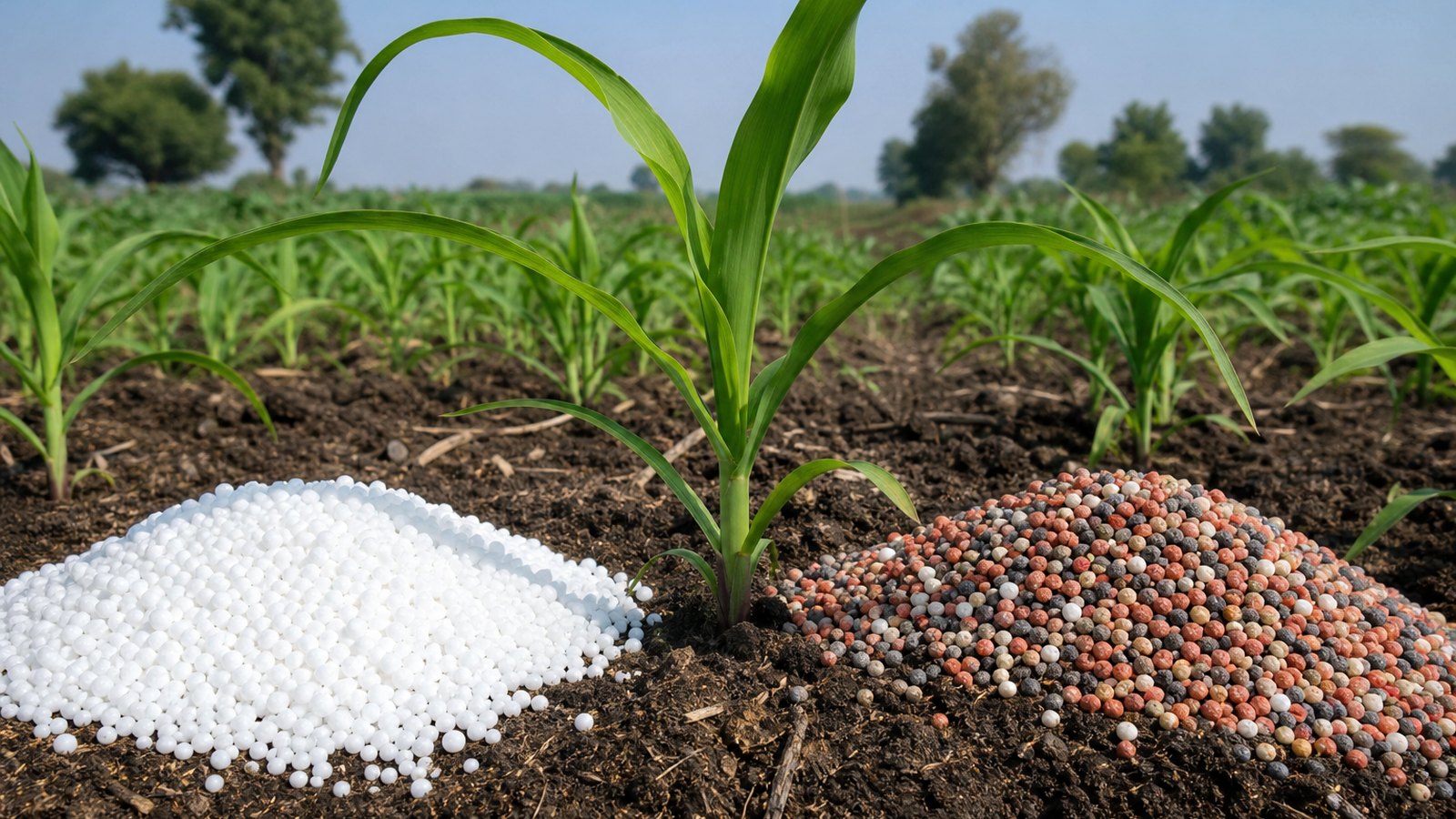
Short answer: Urea is mainly nitrogen. NPK fertilizer supplies nitrogen (N), phosphorus (P) and potassium (K) together. Use urea when nitrogen alone is limiting; use NPK when the crop needs balanced nutrition for growth, flowering and yield.
Key takeaway: Do not treat “more urea” as a full nutrition plan. Build a base with balanced organic NPK fertilizer, then add measured nitrogen or micronutrients only when the crop or soil test asks for them.
What urea actually supplies
Urea is widely used in India because it is concentrated nitrogen (commonly about 46% N). It supports leafy, vegetative growth. It does not replace phosphorus for rooting and energy transfer, or potassium for fruiting, grain fill and stress tolerance.
There is no NPK ratio inside urea. Urea and NPK fertilizer are different products. An NPK grade (or a balanced organic NPK granule) supplies N, P and K together; urea supplies nitrogen only.
What NPK fertilizer supplies
NPK fertilizer is designed so one programme covers the three primary macronutrients:
- N (nitrogen) — leaf growth and green colour
- P (phosphorus) — roots, early establishment, flowering energy
- K (potassium) — fruit/grain quality, water use and stress resilience
AR Soil NPK Organic Fertilizer is positioned for dealers and farmers who want balanced granules as a base programme for cereals, cotton, chilli, vegetables and horticulture — manufactured in Bhavnagar, Gujarat.
NPK fertilizer vs urea — comparison table
| Point | Urea | NPK fertilizer |
|---|---|---|
| Main nutrients | Nitrogen (N) | Nitrogen + Phosphorus + Potassium |
| Best role | Correct N shortage; push vegetative growth | Balanced base nutrition across growth stages |
| Risk if overused alone | Lush leaves, weaker flowering/fruiting if P/K stay low | Wrong grade or dose without soil/crop context |
| Soil angle | Does not add organic carbon by itself | Organic NPK programmes can support steadier nutrition with soil-friendly positioning |
| For dealers | Single nitrogen product | Base product you can build a full programme around |
When urea makes sense
- Leaf yellowing points to nitrogen shortage and soil P/K are already adequate
- You need a measured top-dress nitrogen split mid-season
- Agronomy advice confirms N is the limiting factor — not a full NPK gap
Urea is a tool, not a complete crop nutrition plan.
When NPK is the smarter base
- Basal or early-season programmes for cotton, chilli, wheat, vegetables and orchards
- Fields that have relied on urea-heavy practice and show weak flowering or poor fruit quality
- Dealer programmes that need a clear “balanced fertilizer” offer beyond a single nitrogen bag
Read more in our NPK fertilizer India pillar and the NPK guide for cotton and chilli.
Soil and crop considerations
Soil: Sandy or low-organic soils often lose nutrients faster. Pair balanced nutrition with a soil conditioner such as roasted bentonite where water holding and CEC are weak. Phosphate-focused organic manure (PROM) can support basal phosphate and organic carbon where DAP/SSP dependence is high.
Crops: Leafy stages lean more on nitrogen; flowering and fruiting need phosphorus and potassium support. That is why “urea only” often looks green early and underwhelming at harvest.
Practical farmer guidance
- Start with a balanced NPK base suited to the crop.
- Use soil tests or local agronomy where available — do not guess every season.
- Add urea only if nitrogen is still limiting after the base programme.
- Add micronutrients (zinc, boron, magnesium) when symptoms or tests justify them — not by default.
- Ask your dealer for a package (NPK + conditioner + targeted companions), not one bag.
Common mistakes
- Expecting urea alone to give the same balance as NPK fertilizer
- Pushing more urea when flowering or fruit set is the real bottleneck
- Ignoring soil structure and water holding while increasing fertilizer bags every year
- Skipping dealer or agronomy advice on dose and timing
NPK vs urea — FAQs
Urea mainly supplies nitrogen (about 46% N). NPK fertilizer supplies nitrogen, phosphorus and potassium together so crops get balanced nutrition for leaves, roots/flowering and fruit or grain quality.
No. Urea is not an NPK grade—it is a nitrogen source. If you need balanced N-P-K, choose an NPK fertilizer rather than expecting that balance from urea alone.
Not necessarily. Many programmes still use measured urea when nitrogen is the limiting factor. The risk is using urea alone every season while phosphorus and potassium stay low.
Cotton and chilli usually need balanced N-P-K across the season. Organic NPK granules are a strong base; urea may still be used in splits if leaf nitrogen is short. See our cotton and chilli NPK guide for crop context.
AR Soil & Crop Science manufactures organic NPK granules in Bhavnagar, Gujarat and supplies dealers and bulk buyers across India. Request a quote for rates and packaging.
Related products
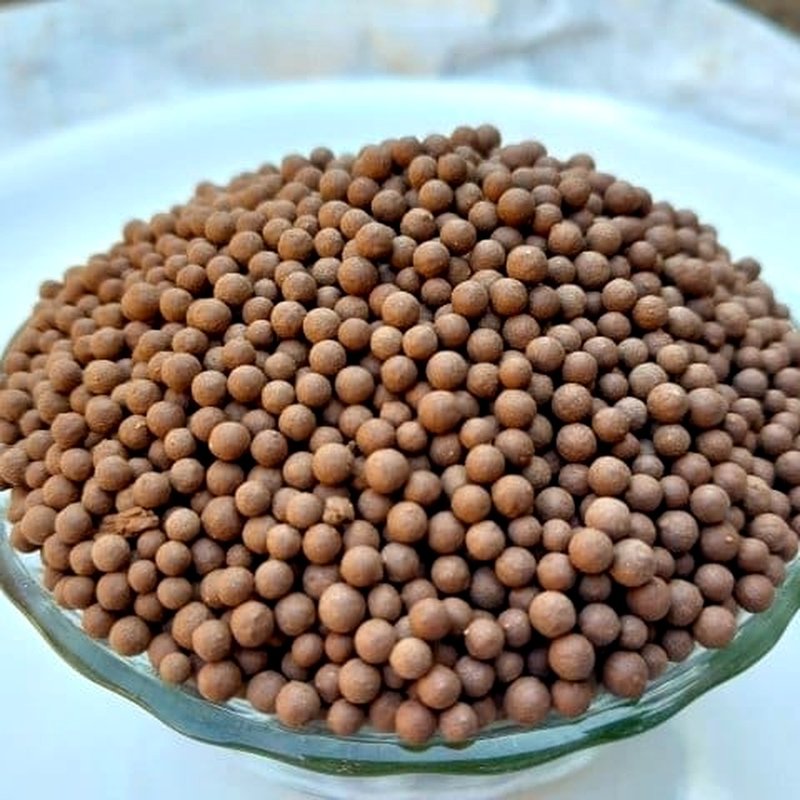
NPK Organic Fertilizer
Balanced organic NPK granules for steady vegetative growth, flowering, and fruiting. Suitable for field crops, vegetables, fruits, and horticultural plants.
View details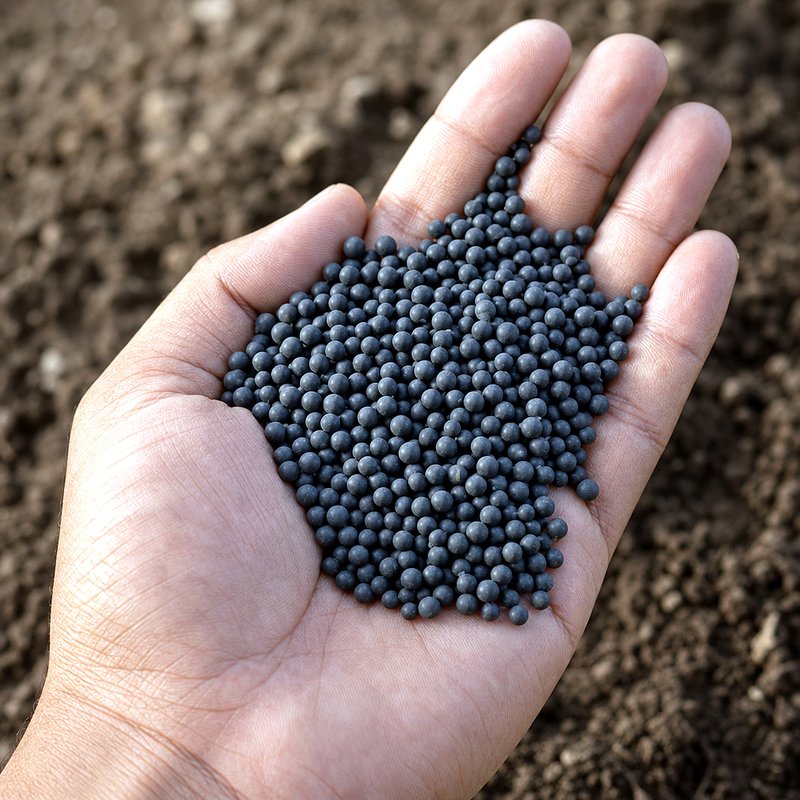
PROM Organic Manure
Phosphate-rich organic manure (P2O5 8-10.4%, organic carbon 7.9-10%). Organic alternative to DAP/SSP for roots, flowering energy and soil carbon. Dose: 50-60 kg per acre basal.
View details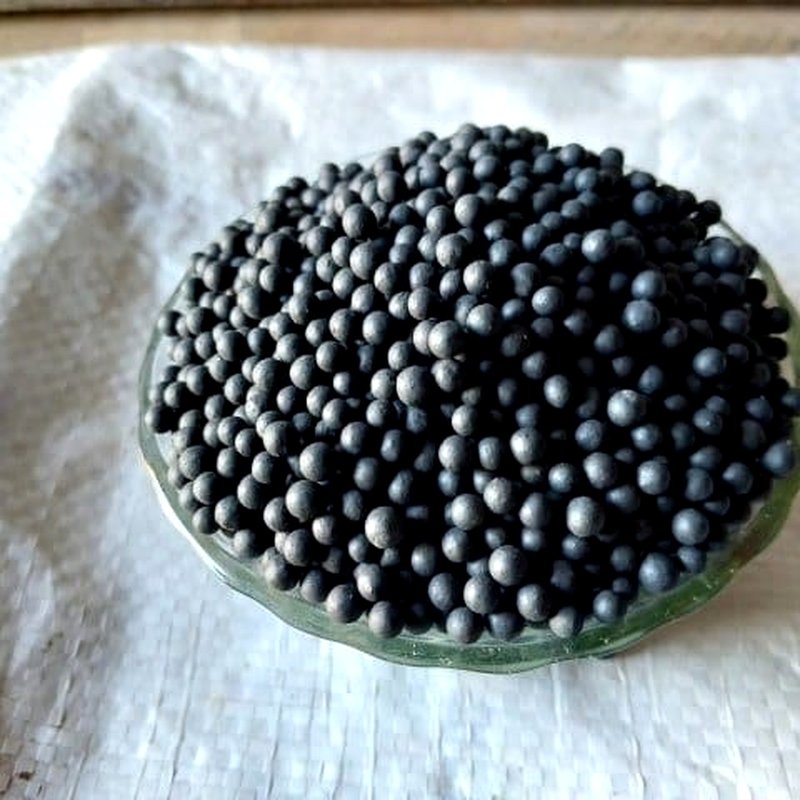
Roasted Bentonite Fertilizer
Premium roasted bentonite soil conditioner that improves water retention, cation exchange capacity, and nutrient holding in sandy and low-organic soils. Enhances root development and crop resilience.
View details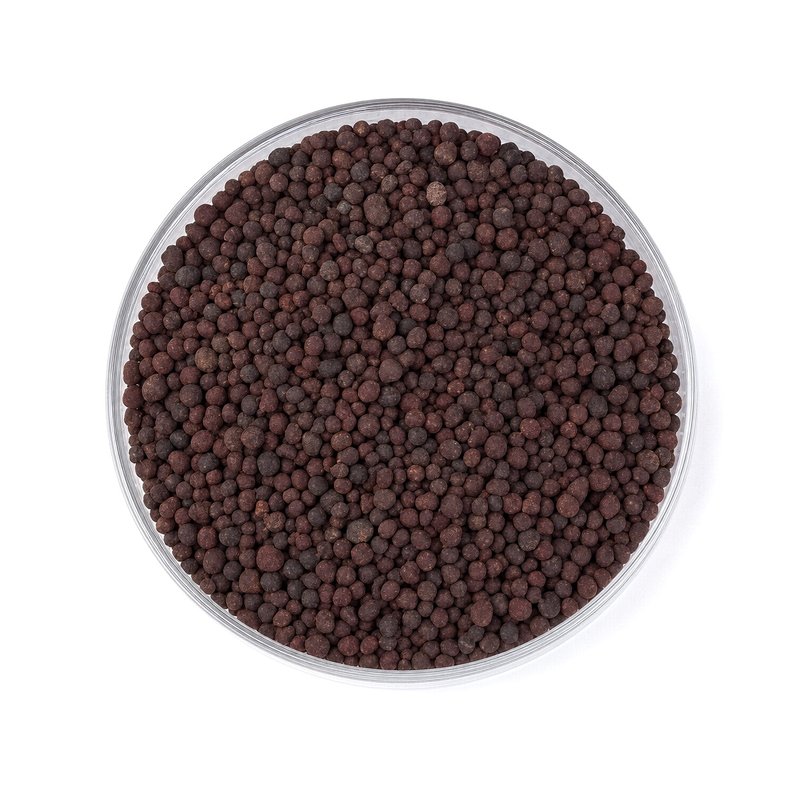
PDM Bio Potash Granules
Organic bio-potash granules from molasses source with water soluble K2O 14.5% min. Improves fruit size, colour, grain fill and shelf life. Dose: 40-75 kg per acre.
View detailsRelated articles
- Best NPK fertilizer for Indian farmers
- NPK organic fertilizer guide
- NPK fertilizer for cotton and chilli
- Roasted bentonite vs over-reliance on DAP and urea
Talk to the manufacturer
AR SOIL & CROP SCIENCE manufactures organic fertilizers in Ukharala, Bhavnagar, Gujarat. Call +91 95746 51054 or request bulk / dealer pricing online.