Blog · NPK nutrition
NPK Fertilizer Grades Explained: How to Choose N-P-K for Indian Crops
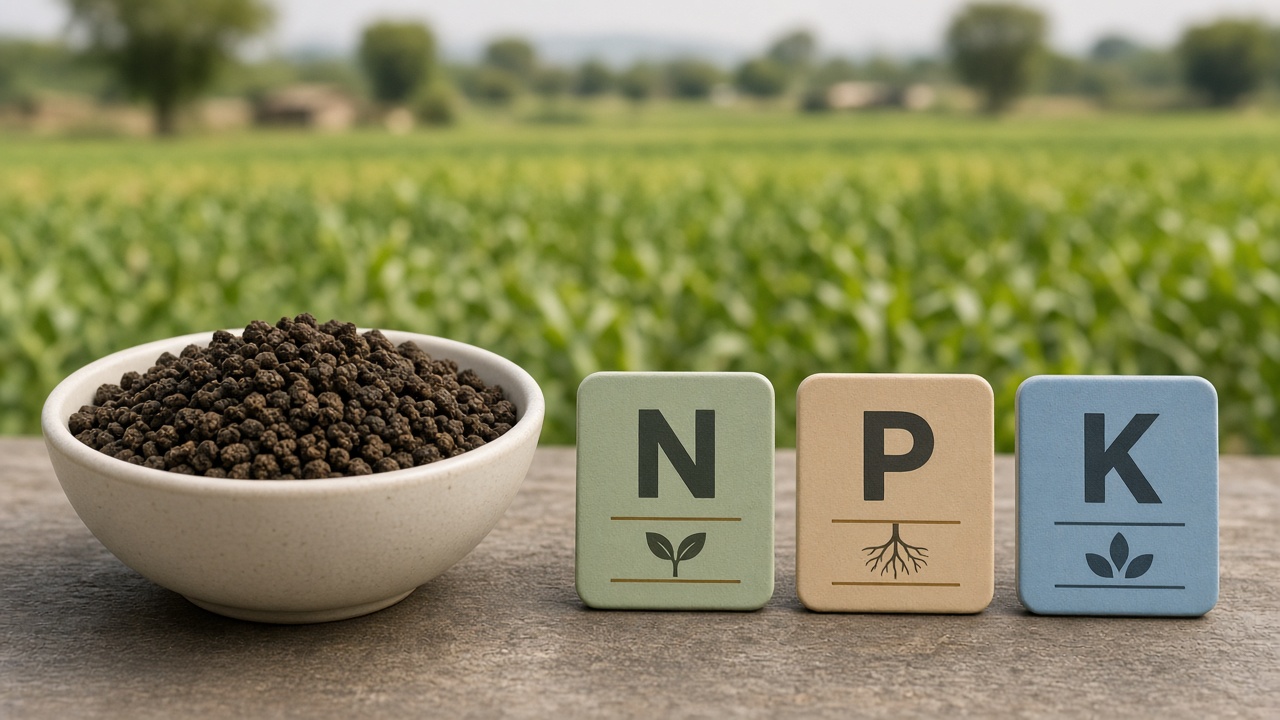
Dealers and farmers hear “NPK grade” every season — but the three numbers on a bag only help if you know what they mean for growth stage, soil and crop. This guide explains NPK fertilizer grades in plain language for Indian farming and trade, then shows how balanced organic NPK fits a practical programme.
This article is about grades and selection logic. For “NPK vs urea” comparisons, use our existing guide: NPK fertilizer vs urea. For commercial NPK supply context, see the NPK fertilizer India pillar page.
NPK grades in one minute: The grade shows relative nitrogen (N), phosphorus (as P₂O₅) and potassium (as K₂O). Read the label. Match the grade to soil test + crop stage. Balanced organic NPK is a base option when you want N-P-K together instead of only one nutrient.
What is an NPK fertilizer grade?
An NPK grade is the published analysis that tells you how much nitrogen, phosphorus and potassium the fertilizer is formulated to provide. In market language you will see three numbers (for example in the form N-P-K). Exact values must always be confirmed on the product label for the grade you buy or stock.
Grades exist because crops do not need the same nutrient balance at every stage, and soils do not start from the same nutrient status.
In simple words: NPK grade = how the bag balances leaf growth (N), roots/flowering energy (P) and quality/stress support (K).
How grades are expressed (and what “18-46-0” style talk means)
In fertilizer trade, the three numbers are conventionally read as:
- First number — Nitrogen (N)
- Second number — Phosphate as P₂O₅
- Third number — Potash as K₂O
Examples you may hear in the market (always verify on the actual bag):
| Common market talk | Typical meaning | Practical note |
|---|---|---|
| Urea | High nitrogen straight fertilizer (~46% N) | Not a balanced NPK grade |
| DAP (often discussed as 18-46-0) | High N + P, little/no K in that grade talk | Confirm label; not an organic manure |
| Complex / compound NPK grades | All three nutrients present in one product | Useful as a base when N, P and K are all needed |
| Organic NPK granules | Balanced N-P-K in an organic-forward granule format | AR Soil lists custom grades for dealers/bulk buyers |
Indian fertilizer policy and market practice also distinguish straight fertilizers (mainly one nutrient) from complex/compound fertilizers (more than one primary nutrient). Grade selection should follow that logic: are you correcting one nutrient, or building a balanced base?
What N, P and K each do
| Nutrient | Common field role | If it is limiting |
|---|---|---|
| Nitrogen (N) | Vegetative growth, leaf development | Pale growth, weak canopy |
| Phosphorus (P / P₂O₅) | Roots, energy transfer, flowering start | Poor establishment, weak early growth |
| Potassium (K / K₂O) | Water use, stress tolerance, produce quality | Weak finish, quality and stress issues |
Pushing only one nutrient (for example only urea) can create imbalance when another nutrient is the real limiter. That is why balanced NPK thinking matters for many Indian programmes.
How to read NPK grades on a bag
- Find the analysis line — Look for N, P₂O₅ and K₂O (or N-P-K style marking).
- Confirm units and form — Granules, powder or coated products handle differently in the field.
- Check dose guidance — Grade without dose and timing advice is incomplete for farm use.
- Match to soil test — High N on a soil already rich in N may waste money and hurt balance.
- Ask about companions — Micronutrients, PROM, potash or conditioners may still be needed.
Common grade-selection situations (practical)
| Farm situation | What to think about | Programme note |
|---|---|---|
| Basal / establishment | Roots and early canopy need balanced support | Balanced NPK base is often discussed; add PROM if phosphate + organic matter is a priority |
| Vegetative flush | Nitrogen demand rises | Do not ignore P and K while chasing green colour alone |
| Flowering / fruiting | P and K support quality and set | Potash products (for example bio potash) may join the plan |
| Sandy / low-organic soils | Nutrients can leach or leave the root zone | Consider soil conditioners such as roasted bentonite with the NPK plan |
Organic NPK grades vs single-nutrient bags
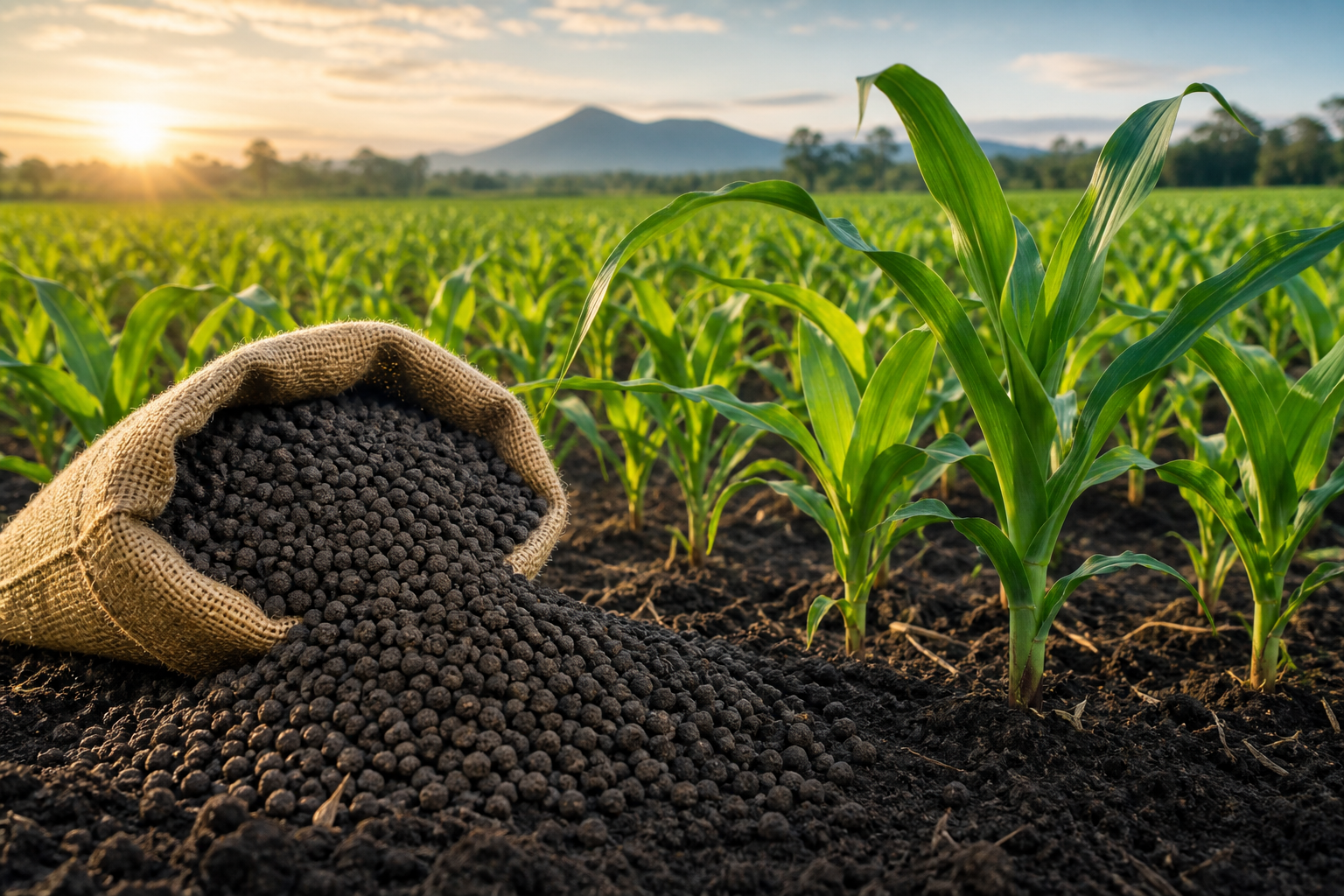
Organic NPK fertilizer granules are positioned for farmers and dealers who want nitrogen, phosphorus and potassium together in a soil-friendly format, instead of depending only on urea or only on DAP-style thinking.
- Urea — mainly nitrogen (see NPK vs urea)
- DAP — concentrated N + P, no organic manure role like PROM
- Organic NPK — balanced N-P-K base for programme building
- PROM — phosphate with organic carbon when basal organic P is needed (PROM guide)
Dealer tip: Sell a programme (base NPK + needed companions), not a single “miracle bag.” Ask crop, soil feel and previous fertilizer habit before recommending a grade.
Crop notes (Gujarat / India context)
Cotton and chilli
These crops need strong establishment and later quality support. Balanced NPK as a base, then crop-stage companions, is a common trade conversation. See NPK for cotton and chilli.
Vegetables
Vegetables reward steady nutrition and produce quality. Organic NPK can sit in basal or split thinking with micronutrients as required. See organic NPK for vegetables.
Cereals, pulses and oilseeds
Match grade talk to soil phosphorus status and whether the farm already uses urea heavily. Balanced base nutrition often reduces “more urea every year” habits when P or K is limiting.
How to choose a grade without guesswork
- Start with soil test where possible.
- List crop and target stage (basal, vegetative, flowering).
- Decide whether you need a balanced base (organic NPK) or a correction source (urea / DAP-type products).
- Add PROM, potash or micronutrients only when the gap is real.
- Confirm dose and packing with the manufacturer or agronomist.
Custom grades and dealer programmes (AR Soil context)
AR Soil’s NPK Organic Fertilizer is listed as compound / organic-coated NPK granules with N, P₂O₅ and K₂O available in custom grades for dealers and bulk buyers, typically in a 2–4 mm mesh granule. That matters commercially: retail markets often need a stable SKU story, while institutional buyers may need grade and packing discussion before season.
When you enquire, share:
- Target crops in your territory
- Whether the need is basal base nutrition or correction
- Approximate quantity and delivery location
- Whether PROM, potash or micronutrients are already in the same programme
AR Soil organic NPK — manufacturer supply
AR Soil & Crop Science manufactures organic fertilizers in Bhavnagar, Gujarat, including organic NPK granules for dealers and bulk buyers across India.
| Buyer need | What to request |
|---|---|
| Dealer / distributor | Product list, packing interest, delivery district |
| Bulk / institutional | Approximate quantity (bags/MT), timeline, location |
| Farmer / FPO | Crop, acreage, current fertilizer habit |
Need NPK fertilizer grades / organic NPK supply? Share crop and quantity for a clear reply.
View NPK Organic Request product details NPK hub page
NPK Fertilizer Grades — FAQs
An NPK grade is a three-number label showing the relative nitrogen (N), phosphorus (P as P₂O₅) and potassium (K as K₂O) analysis of the fertilizer. Exact values must be read from the product label.
Nitrogen mainly supports leafy vegetative growth. Phosphorus supports roots, energy transfer and flowering. Potassium supports stress tolerance, water regulation and produce quality.
No. Crops, soils and growth stages differ. A grade that suits basal establishment may not match later flowering or fruiting needs. Soil tests and crop programmes matter.
Urea mainly supplies nitrogen. Organic NPK aims to supply balanced N-P-K together, often in a granule format that fits basal or split programmes. See also our NPK vs urea article.
When buyers want a balanced base fertilizer rather than relying on a single nutrient bag, and when the market needs steady vegetative-to-reproductive support across field crops or vegetables.
Not always. PROM focuses on phosphate with organic matter. Potash products focus on potassium. A full programme may combine organic NPK with PROM, potash or micronutrients when soil and crop require it.
AR Soil & Crop Science manufactures organic NPK granules in Bhavnagar, Gujarat and supplies dealers and bulk buyers across India. Request a quote with crop and quantity.
Final takeaway
NPK grades are a language for balancing nitrogen, phosphorus and potassium — not a contest between random bag numbers. Read the label, match soil and crop stage, and build a programme.
Soil test → crop stage → nutrient gaps → choose grade/source → dose → timing.
AR Soil supplies organic NPK and related fertilizers from Bhavnagar, Gujarat. Call +91 95746 51054 or request details online.
Related products
NPK Organic Fertilizer
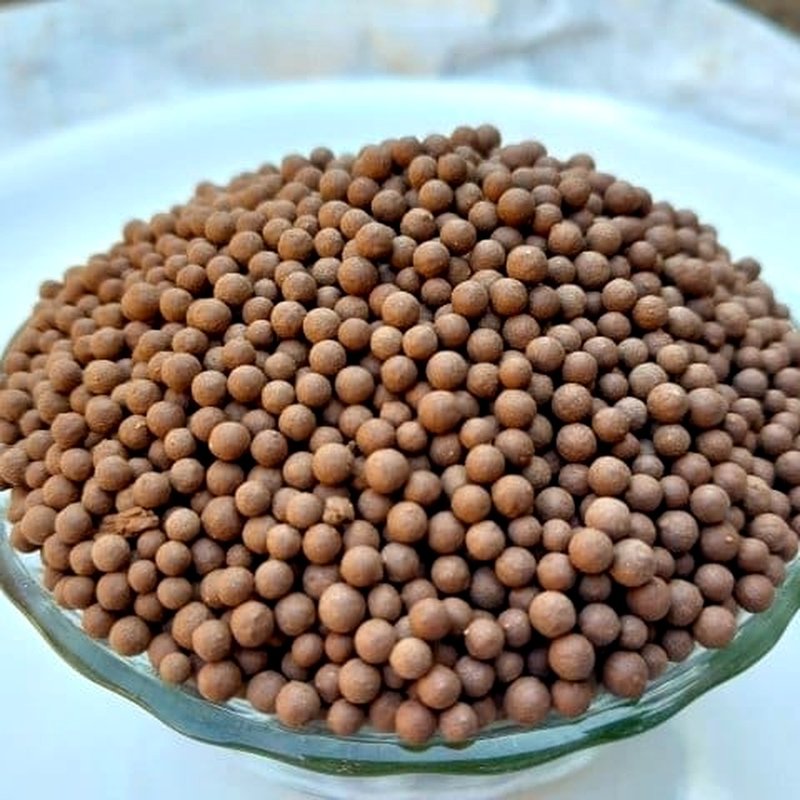
Balanced organic NPK granules for steady vegetative growth, flowering, and fruiting. Suitable for field crops, vegetables, fruits, and horticultural plants.
View details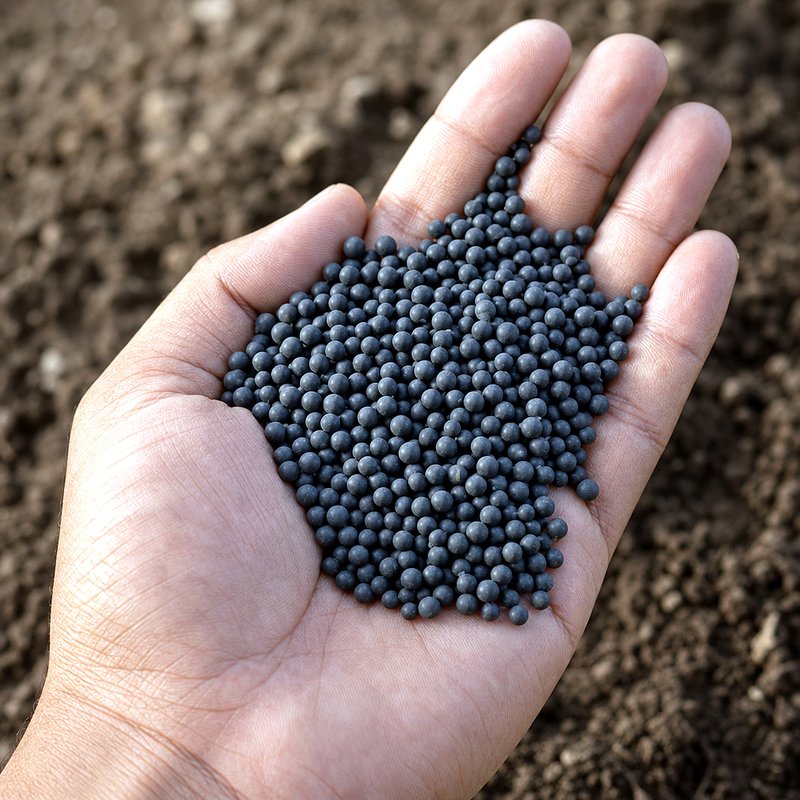
PROM Organic Manure
Phosphate-rich organic manure (P2O5 8-10.4%, organic carbon 7.9-10%). Organic alternative to DAP/SSP for roots, flowering energy and soil carbon. Dose: 50-60 kg per acre basal.
View details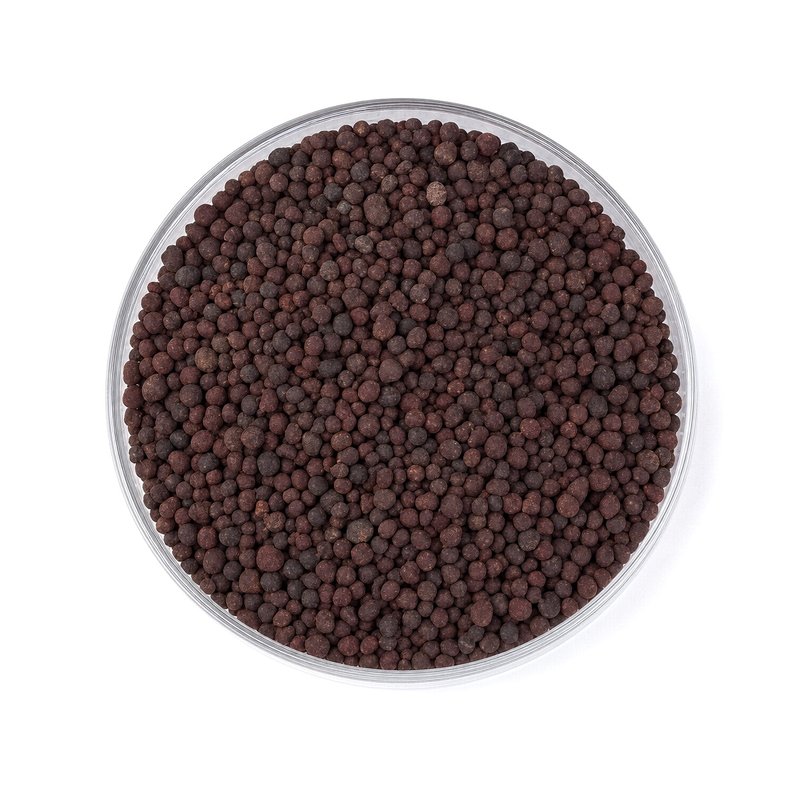
PDM Bio Potash Granules
Organic bio-potash granules from molasses source with water soluble K2O 14.5% min. Improves fruit size, colour, grain fill and shelf life. Dose: 40-75 kg per acre.
View details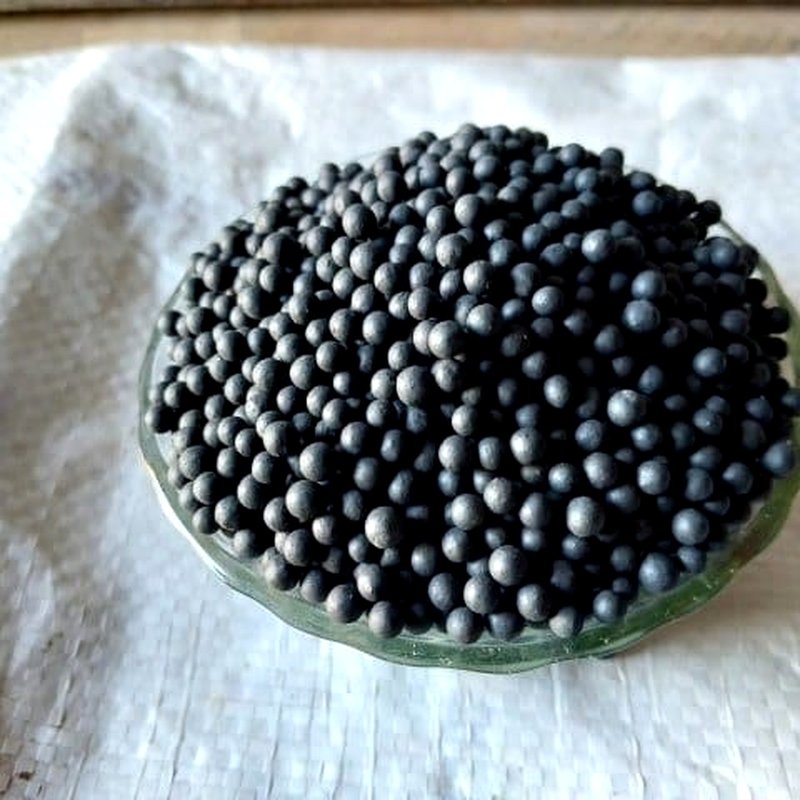
Roasted Bentonite Fertilizer
Premium roasted bentonite soil conditioner that improves water retention, cation exchange capacity, and nutrient holding in sandy and low-organic soils. Enhances root development and crop resilience.
View detailsRelated articles
- NPK fertilizer vs urea
- NPK organic fertilizer guide
- Best NPK fertilizer for Indian farmers
- PROM fertilizer vs DAP
References
- AR Soil & Crop Science product information for NPK Organic Fertilizer.
- Standard fertilizer label practice: confirm N, P₂O₅ and K₂O on the pack you purchase or stock.
- Related AR Soil guides on NPK vs urea and crop-focused NPK programmes.